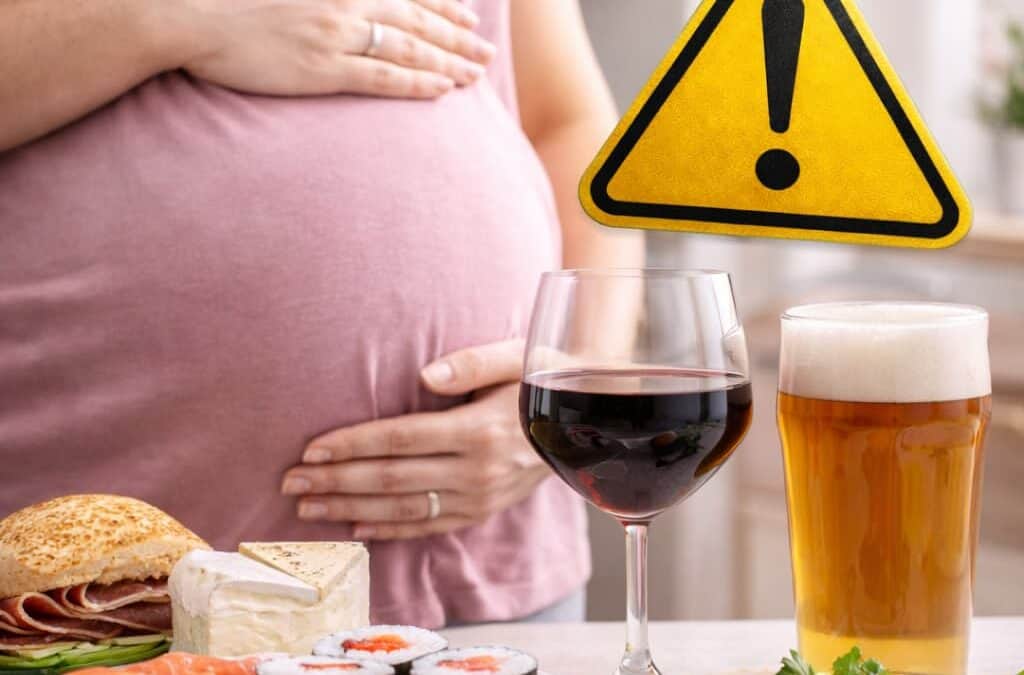
Early pregnancy can feel like you are coming down with a mild illness, or you might not feel any symptoms at first.
During the earliest weeks of pregnancy, some women feel excessive fatigue and nausea. Others might notice mood swings and other signs of hormonal fluctuations. One of the most noticeable signs of early pregnancy is a missed period. Taking a pregnancy test might make all of your recent symptoms suddenly make sense.
What Is Early Pregnancy?
According to the Office of Women’s Health, early pregnancy includes the first one to 12 weeks. During this time, hormonal changes begin to impact nearly all of the systems in your body. You could feel symptoms in even the earliest weeks of the first trimester.
Common Initial Signs of Pregnancy
Once conception occurs, the hormonal changes that begin could lead you to experience pregnancy symptoms near or around the time you would normally start your period. For instance, you might notice your energy levels dropping or a sudden bout of nausea.
Missed Period
Missing a period is a good sign that you might be pregnant. Pay attention to your normal menstrual cycles, and consider testing after you notice that you are one or more days late.
Morning Sickness
According to the Cleveland Clinic, up to 70% of pregnant women experience this symptom in early pregnancy. Keep in mind that nausea could strike outside of the morning hours. You’ll want to schedule an appointment with your doctor if you can’t keep any food or water down.
Mood Swings
Similar to the symptoms of premenstrual syndrome, you might notice your moods rapidly shifting from one moment to the next. Typically, mood swings even out as your hormone levels stabilize.
Fatigue
The changes that your body undergoes during early pregnancy can take a toll on your energy levels. Growing a baby is hard work, so make sure to rest as needed.
Physical Changes In the Body
In the first several weeks of pregnancy, your body will begin preparing to support a developing baby. At this point, many physical changes are subtle. Knowing what to look for helps you detect these signs that your pregnancy is progressing.
Sore or Swollen Breasts
Breast swelling and soreness might be among the first clues that you are pregnant. But, you might also assume this symptom is related to your menstrual cycle if you normally experience breast soreness in the days leading up to your period.
Increased Urination
Needing to run to the bathroom more often than usual is a sign that your body is responding to hormonal fluctuations.
Changes in Vaginal Discharge
According to The Bump, extra vaginal discharge can begin soon after conception as your body responds to rising levels of estrogen.
Bloating
You might have some time before a real baby bump appears, but you might notice abdominal bloating in the first several weeks.
Implantation Bleeding vs. a Period
Implantation bleeding is usually shorter and lighter than a period, and it occurs a few days before you would normally expect your period.
Other Common Symptoms
Early pregnancy also generates additional symptoms that you might notice occurring.
Headaches
A mild headache could be a response to early pregnancy hormone fluctuations.
Stomach Cramps
Light, period-like cramping sensations in your lower abdomen could be your uterus undergoing changes.
Altered Taste or Smell Preferences
Altered senses combined with morning sickness might make your favorite foods or brushing your teeth less tolerable.
Emotional and Sensory Changes (What It Feels Like Day to Day)
Waiting to find out if you are pregnant and dealing with new physical symptoms can leave you feeling a variety of emotions each day.
When Symptoms Typically Start (Timeline by Week)
According to the Mayo Clinic, pregnancy technically begins in the third week when conception occurs. By the fifth week, you might notice symptoms from rising hormone levels. At this point, you might miss your period and receive a positive pregnancy test.
Symptoms That Warrant Medical Attention
Excessive vaginal bleeding and extreme morning sickness are two symptoms that warrant seeking medical attention right away.
Importance of Nutrition in Early Pregnancy
Eating a healthy diet is important before you ever see a positive pregnancy test.
Why Vitamin C Matters
Vitamin C helps your body absorb iron, and it’s important for supporting a strong placenta.
Importance of Iron
Iron is essential for helping your body maintain its health while your blood volume increases.
Balanced Diet Tips
You might find it easier to eat several light meals a day to maintain a balanced diet through morning sickness.
Folic Acid and Prenatal Vitamins
Taking prenatal vitamins that include folic acid helps you ensure that you get all of the nutrients you and your baby need right now.
Confirming Pregnancy
If you’ve noticed a few early pregnancy symptoms, then you can take these steps to confirm your suspicions.
Taking a Pregnancy Test
Using a home pregnancy test can quickly give you answers in the setting you choose.
How Soon a Test Can Detect Pregnancy
Most pregnancy tests can provide a fairly accurate answer soon after a missed period.
Consulting a Healthcare Professional
Reaching out to your doctor is the best way to confirm your pregnancy, since a physician has access to tests and ultrasound equipment that can give more accurate answers.
Preparing for a Healthy Pregnancy Journey
Taking a few simple steps now can help you prepare for a healthy pregnancy over the next several months.
Managing Symptoms
Finding safe ways to manage your symptoms can help you minimize the effects of headaches, fatigue and nausea on your health.
Maintaining a Healthy Lifestyle
Now is a great time to plan to get more rest, eat healthy meals and enjoy light exercise such as walking.
Seeking Medical Guidance
Scheduling an early pregnancy prenatal appointment helps you begin building your support team for managing your and your baby’s health needs throughout this exciting time.
Frequently Asked Questions
The early weeks of pregnancy can leave you with lots of questions, and finding answers fast helps ease anxiety.
How does your stomach feel in really early pregnancy?
Your stomach might feel a little bloated or queasy in early pregnancy.
Can you physically feel early pregnancy?
Yes, physical symptoms often appear in the early weeks of pregnancy.
Can you feel pregnant at 1 week?
Most women don’t notice any changes this early, but you might notice extra vaginal discharge or implantation bleeding after conception occurs.
Can you feel pregnant in 3 weeks?
You might notice subtle early pregnancy symptoms such as mild cramping and breast tenderness after three weeks post-conception.
Is it possible to have no symptoms at all in early pregnancy?
Yes, some women sail through early pregnancy without noticeable symptoms.